24 Sep 2026
Regulatory Evolution Altering Cross-Border Access to Interactive Gambling Platforms
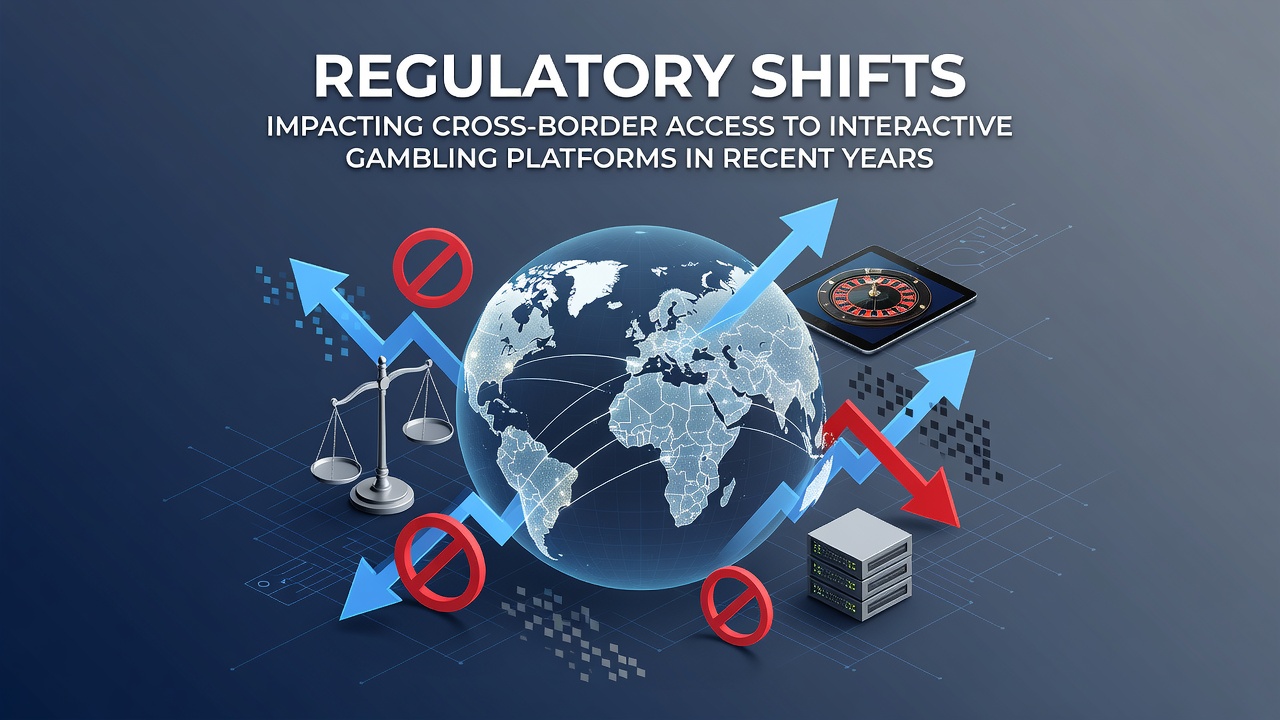
Regulatory frameworks governing interactive gambling have shifted substantially in recent years, and these adjustments directly influence how users access platforms across national borders, while operators must navigate varying compliance requirements that differ by jurisdiction. Data from multiple government agencies shows that nations have introduced new licensing rules, geo-blocking mandates, and cooperation agreements since 2020, which collectively reshape the landscape for cross-border play. Observers note that platforms once available in multiple regions now face restrictions because authorities prioritize consumer protection measures alongside revenue collection goals.
Key Developments in North America and Europe
Authorities in the United States have expanded state-level oversight of online gambling, yet federal guidelines continue to limit international access through the Wire Act interpretations and related enforcement actions, so operators based outside approved jurisdictions encounter barriers when serving American players. Research indicates that several states formalized compacts for shared player pools by 2024, but cross-border traffic from foreign sites remains curtailed because payment processors must verify location data in real time. Meanwhile European nations have updated directives that affect interactive services, with the European Commission tracking member state implementations that require platforms to restrict access based on user residency rather than allowing unrestricted entry from neighboring countries.
Canadian provinces have also refined their approaches, and figures from regulatory bodies reveal that Ontario's licensing system, launched in 2022, explicitly excludes unlicensed international operators from offering services to residents. This pattern appears in additional jurisdictions where governments seek to channel activity through domestic channels that generate local tax income, and data shows reduced traffic to offshore sites following enforcement of these rules. Experts have observed that similar measures in Australia led to expanded blocking of unlicensed domains starting in 2023, which further limits options for users attempting to reach platforms hosted elsewhere.
Impacts on Operators and Platform Operations
Operators respond to these changes by implementing enhanced geolocation technology and compliance teams, since failure to meet residency checks can result in license revocation or financial penalties. Studies conducted by academic researchers highlight that many platforms now maintain separate versions tailored to specific markets, while shared backend systems handle the technical demands of varied regulatory standards. The reality is that cross-border access has become more fragmented because one platform may serve users in one region but block the same users from another due to licensing agreements that prohibit overlap.
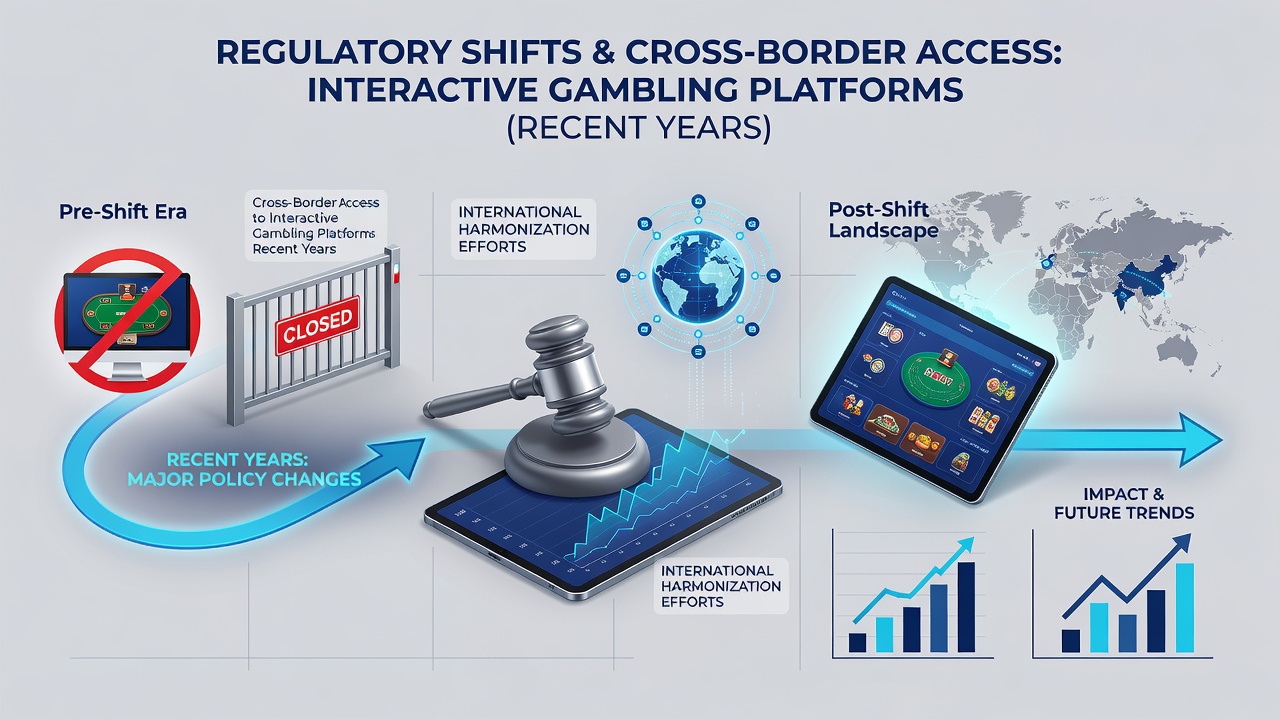
Payment providers have tightened verification processes in tandem with these regulatory updates, and reports from financial oversight groups confirm that transactions involving gambling now undergo additional scrutiny to ensure they originate from approved locations. This adds layers of complexity for users who previously relied on virtual private networks or alternative currencies, yet enforcement actions documented by several governments demonstrate that such workarounds face increasing detection rates. Industry associations tracking global trends note that operators investing in localized compliance infrastructure maintain stronger market positions, whereas those attempting broad international reach without tailored strategies encounter repeated blocks.
Emerging Trends as of September 2026
By September 2026 additional bilateral agreements had taken effect between select countries, and these pacts facilitate data sharing on player activity while restricting unauthorized cross-border flows. Government sources indicate that such arrangements aim to balance player mobility with oversight needs, though implementation varies and some regions report slower adoption because technical standards differ across borders. Observers point to continued growth in regulated markets where domestic platforms expand offerings, which correlates with measurable declines in visits to sites operating outside approved frameworks according to traffic analysis firms.
Academic papers examining these shifts find that regulatory evolution tends to favor larger operators capable of meeting diverse requirements, while smaller entities struggle to maintain access across multiple jurisdictions simultaneously. The writing appears on the wall for platforms that once thrived on minimal oversight, since enforcement capabilities have advanced through improved tracking tools and international cooperation networks. Data compiled from various regulatory agencies continues to show that licensed markets capture increasing shares of overall activity, even as demand for interactive options persists globally.
Conclusion
Regulatory shifts continue to redefine how interactive gambling platforms operate across borders, and the cumulative effect of licensing expansions, access restrictions, and compliance mandates points toward more segmented markets. Evidence from multiple regions demonstrates that governments prioritize controlled environments, which reduces seamless cross-border participation for users while creating clearer pathways within approved systems. Those who monitor these developments recognize that ongoing adjustments will likely sustain this trajectory through the remainder of the decade.