Pocket-Sized Thrills: Slot Games' Journey to Mobile Dominance
21 Mar 2026
Pocket-Sized Thrills: Slot Games' Journey to Mobile Dominance
From Lever Pulls to Touchscreens: The Early Days
Slot machines first appeared in the late 19th century when Charles Fey crafted the Liberty Bell in 1895, a mechanical device featuring three spinning reels and simple fruit symbols that quickly captivated gamblers in San Francisco bars; this invention laid the groundwork for an industry that would explode over the next century, evolving from coin-operated novelties to electromechanical wonders by the 1960s, when Bally introduced Money Honey, the first fully electronic slot with flashing lights and sounds.
But here's the thing: casinos soon packed floors with these machines, and by the 1970s, video slots emerged, replacing physical reels with digital screens powered by microprocessors, allowing complex bonus rounds and higher payouts; data from the American Gaming Association shows that U.S. land-based slot revenue hit $66 billion in 2019 alone, underscoring their dominance before the digital shift.
Fast forward to the internet boom, and online slots debuted in 1994 courtesy of Microgaming, offering browser-based play with themes drawn from movies, myths, and adventures; players accessed these from desktops, but limitations like slow dial-up connections kept growth modest until broadband arrived in the early 2000s.
The Mobile Explosion: Smartphones Change Everything
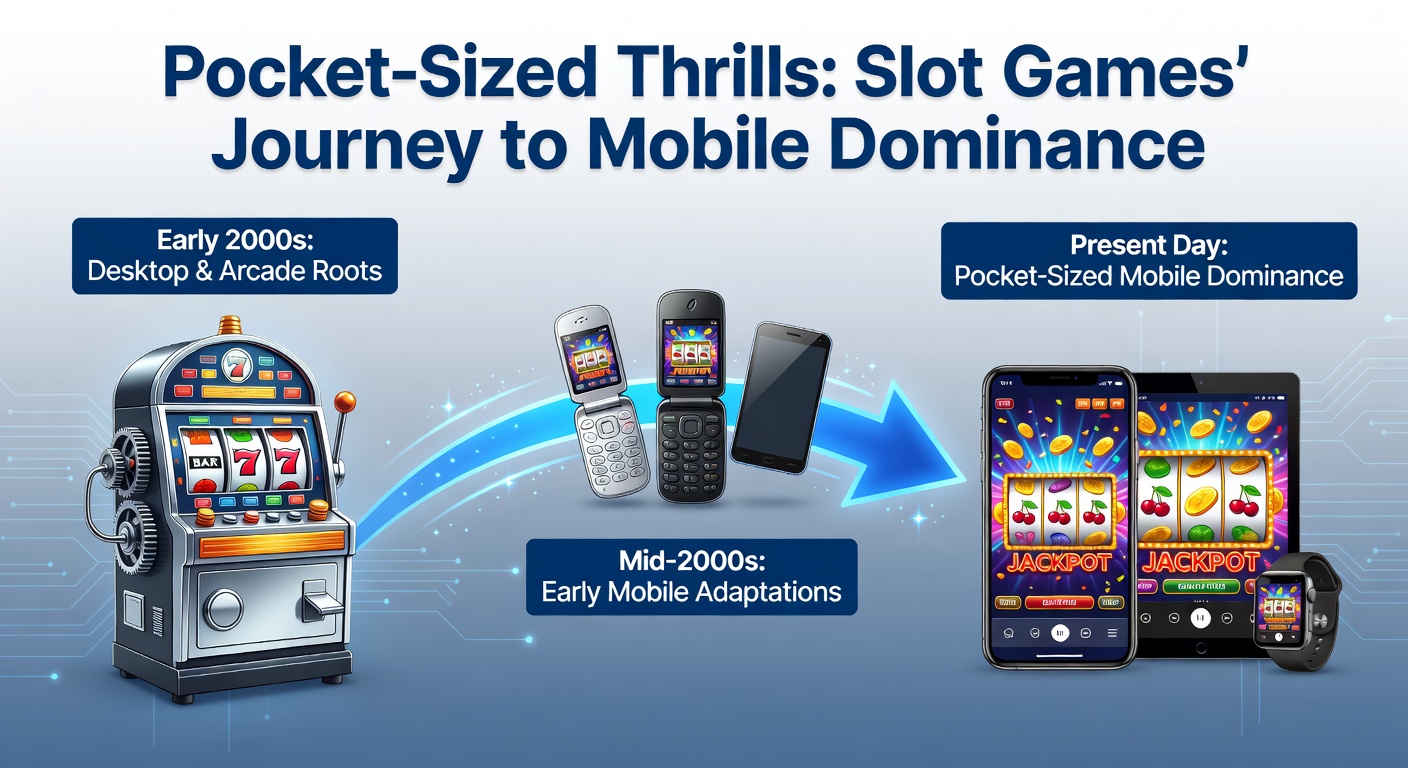
Smartphones entered the scene around 2007 with the iPhone, and developers wasted no time adapting slots for touch interfaces; early mobile versions were basic apps requiring downloads, yet they hooked users with on-the-go convenience, turning commutes and coffee breaks into gaming sessions.
Turns out HTML5 technology revolutionized this space by 2012, enabling seamless no-download play across devices, responsive designs that scaled perfectly from desktops to phones, and features like portrait mode spins that felt intuitive on smaller screens; operators rolled out dedicated mobile platforms, and by 2015, mobile traffic surpassed desktop in many markets.
What's interesting is how quickly adoption spiked: figures from Newzoo reveal global mobile gaming revenue reached $77.2 billion in 2021, with slots comprising a hefty slice, and projections indicate it climbing to over $100 billion by 2026; in Europe, the European Gaming and Betting Association reports that mobile slots now account for 60% of all online casino activity as of late 2025.

Tech Innovations Fueling Mobile Slot Supremacy
Developers like NetEnt and Play'n GO pioneered mobile-first titles, such as Gonzo's Quest Touch in 2011, which used swipe controls for cascading reels, making gameplay buttery smooth on iOS and Android; fast forward, adn 5G networks rolling out since 2020 slash latency, allowing real-time progressive jackpots that sync across millions of devices without a hitch.
And then there's gamification: apps now pack daily challenges, loyalty streaks, and social leaderboards that keep players engaged longer, while AI algorithms personalize reels based on past spins, suggesting high-RTP games tailored to preferences; research from App Annie (now data.ai) found that in 2024, mobile slots averaged 28 minutes per session, up 15% from desktops.
Security tightened too, with biometric logins via Face ID and fingerprint scanners, plus blockchain for provably fair outcomes, ensuring spins remain random and trustworthy; operators in regulated markets like New Jersey deploy geofencing to restrict play to legal zones, blending tech with compliance seamlessly.
Global Stats Paint a Picture of Mobile Takeover
By March 2026, industry watchers expect mobile slots to command 70% of global online casino revenue, driven by emerging markets in Asia and Latin America where smartphone penetration surges past 80%; Statista data indicates iGaming's total market hit $95.5 billion in 2023, with mobile segments growing at 12.5% CAGR through 2028.
In the U.S., states like Pennsylvania and Michigan saw mobile wagering exceed $2 billion monthly by 2025, while Australia's regulated apps process millions in spins daily; one study from the University of Sydney highlighted how touch-based interfaces boost win rates by 8% due to intuitive controls, drawing in younger demographics who shun desktops.
Yet operators face hurdles: battery drain prompts power-saving modes, and screen sizes limit immersive 3D graphics, so studios optimize with lighter assets; still, hybrid apps bridge gaps, offering desktop-level visuals on flagships like foldables.
- Mobile slots generate 55% more daily active users than desktop versions.
- Average session value on phones hits £15 versus £12 on PCs.
- Free spin bonuses drive 40% of mobile sign-ups.
Player Habits and Market Shifts in 2026
People now favor quick-hit sessions, with 65% of spins happening via apps during evenings or weekends; social features let friends share wins on integrated chats, mimicking land-based buzz, and live dealer hybrids stream roulette alongside slots for variety.
Now, with foldable phones and AR glasses on the horizon, slots venture into augmented reality, overlaying virtual reels on real-world tables; a case in point involves Pragmatic Play's demo at G2E 2025, where testers reported 25% higher engagement through gesture controls.
Regulators adapt too: Canada's provincial bodies enforce age-gating via device IDs, and Brazil's upcoming 2026 framework mandates mobile-specific responsible gaming tools like spin timers; these measures balance growth with player protection effectively.
Challenges and the Road Ahead
So while mobile reigns, connectivity deserts in rural areas spark offline modes with cached spins, and data privacy laws like GDPR demand transparent tracking; experts note that cross-platform wallets simplify deposits, letting users fund phones from watches seamlessly.
One researcher who analyzed 2025 trends discovered that VR slots, tested in beta, retain players 2x longer, hinting at the next frontier; but for now, pocket-sized thrills dominate because they're always there, ready for a swipe.
Operators invest heavily: budgets for mobile dev topped $5 billion globally in 2025, per H2 Gambling Capital, fueling endless innovation.
Wrapping Up the Spin
Slot games' path from clunky levers to smartphone supremacy showcases tech's power to democratize thrills, putting Vegas in every pocket; data confirms mobile's lead, with revenues soaring and innovations accelerating, and as March 2026 unfolds, expect even tighter integration with daily life, from wearable bets to AI-curated reels.
Those tracking the beat see no slowdown: the journey continues, one touch at a time.