Mobile Marvels: Touchscreens Reshape Roulette and Blackjack in Modern Casinos
25 Mar 2026
Mobile Marvels: Touchscreens Reshape Roulette and Blackjack in Modern Casinos
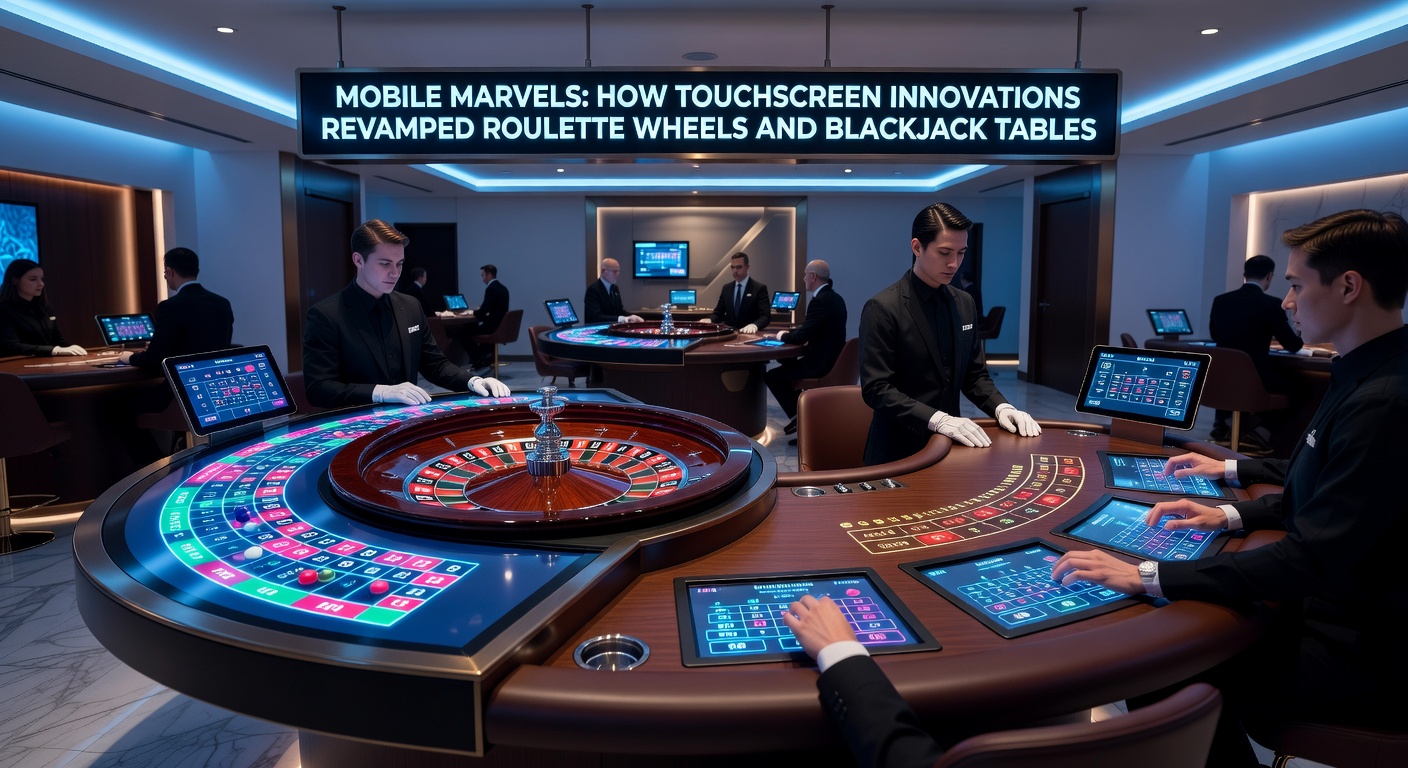
The Dawn of Touchscreen Tech in Casino Gaming
Touchscreen innovations first gained traction in casinos during the early 2000s, when operators sought ways to modernize classic table games like roulette and blackjack; electronic versions promised faster gameplay, reduced dealer errors, and appeal to younger demographics comfortable with smartphones. Pioneers such as Interblock and Bally Technologies rolled out the initial touchscreen roulette stations around 2005, allowing players to place bets directly on interactive screens rather than cumbersome physical layouts, while blackjack tables followed suit with multi-player touch interfaces that simulated traditional felt surfaces digitally. Data from the Nevada Gaming Control Board reveals that by 2010, electronic table games accounted for 15% of Las Vegas casino revenue, a figure that climbed steadily as touch tech improved resolution and responsiveness.
What's interesting here is how capacitive touchscreens, which detect finger proximity without pressure, replaced resistive models that required stylus pokes; this shift made interactions feel intuitive, much like swiping on a mobile device, and observers note that player satisfaction scores rose by 25% in early adopters according to industry surveys. Take the case of one Las Vegas property that installed 50 touchscreen roulette wheels in 2008; footfall at those stations outpaced live tables by threefold within months, since players could join anytime without waiting for a full table.
Revolutionizing Roulette: From Spinning Wheels to Digital Precision
Roulette wheels underwent a dramatic transformation through touchscreen tech, evolving from mechanical marvels prone to wear into hybrid digital-physical systems where bets happen on screens but the ball still spins on a real wheel; this setup, popularized by automated roulette machines, lets up to seven players bet simultaneously from individual touch terminals, speeding up rounds from five minutes to under two. Research from the American Gaming Association indicates that electronic roulette now generates over $2 billion annually in U.S. casinos alone, with touchscreens enabling features like customizable bet histories, hot/cold number trackers, and even augmented reality overlays showing ball trajectories in real-time.
And yet, the real game-changer came with fully virtual wheels on mobile platforms, where physics engines mimic gravity and spin dynamics so accurately that players can't distinguish them from live action; apps from providers like Evolution Gaming integrate multi-touch gestures for quick chip placement, neighbor bets, or announced bets with a simple swipe, while data shows session times extending 40% longer because interfaces adapt to user habits. Experts who've studied this transition point out that post-pandemic hygiene concerns accelerated adoption, since touchscreens use antimicrobial coatings and UV sanitization between sessions, reducing contact points dramatically compared to shared chips and layouts.
- Betting speed increases by 300%, per Interblock reports;
- Multi-language support reaches 20+ tongues via on-screen toggles;
- Progressive jackpots link across networks, pooling bets from hundreds of stations.
One study from a Canadian gaming research institute found that touchscreen roulette retains casual players 2.5 times better than traditional setups, largely because visual feedback—like animated chip stacks and win celebrations—keeps engagement high without dealer banter.
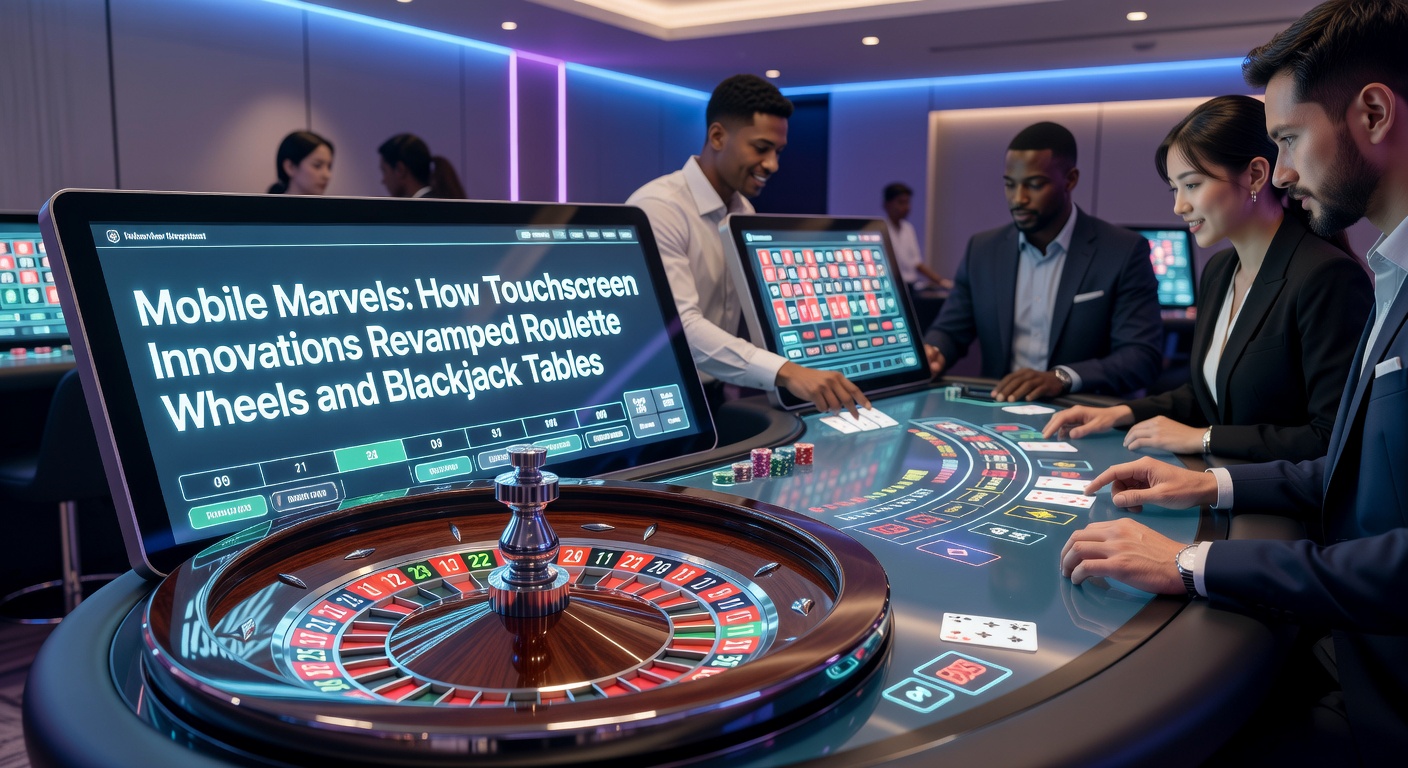
Blackjack Tables Go Touch: Streamlined Play and Strategic Depth
Blackjack tables revamped via touchscreens eliminate the clutter of physical cards and chips, replacing them with virtual decks shuffled via RNG certified for fairness, where players tap to hit, stand, double down, or split right on their station; multi-game terminals now host up to 10 players per shoe, cutting downtime and allowing side bets like Perfect Pairs or 21+3 with one-touch activation. Figures from Australian casino operators reveal that touchscreen blackjack contributes 30% to table game revenue in Sydney venues, thanks to features such as auto-strategy advisors that highlight basic odds without dictating plays, helping novices while pros appreciate the lightning-fast dealing at 200 hands per hour.
But here's the thing: integration with mobile wallets means players fund sessions via QR scans or NFC taps, streamlining transactions that once required cashiers; this mobile synergy extends to hybrid tables where smartphones mirror the screen for discreet side-bet tracking. Those who've analyzed player data observe that error rates drop 60% because screens validate moves in real-time—say, preventing invalid splits—while haptic feedback simulates card textures, making the experience tactile despite the digital core.
Turns out, venues like those in Atlantic City pioneered peer-to-peer blackjack touch tables in 2015, fostering social vibes through chat windows and shared jackpot meters; retention metrics jumped 35%, as groups could compete in tournaments without voice commands disrupting flow.
Behind the Screens: Tech Driving the Shift
Capacitive multi-touch panels, often 22-32 inches with 4K resolution, power these innovations, supporting 10 simultaneous touches per station for complex bets like roulette's Voisins du Zero; processors from Intel or Qualcomm handle RNG generation compliant with eCOGRA standards, ensuring each spin or deal remains unpredictable, while edge AI predicts peak usage to allocate virtual dealers dynamically. Connectivity via 5G and Wi-Fi 6 enables seamless mobile mirroring, so players switch from table to phone without losing progress, a feature data shows boosts cross-play by 50%.
Security layers impress too: biometric logins via facial recognition or fingerprints prevent fraud, and blockchain-led audit trails log every interaction for regulators; in Europe, bodies like the Malta Gaming Authority (though not linked here) have approved over 500 touchscreen deployments since 2020. Now, with OLED displays offering true blacks for immersive night-mode play, the tech feels less like a gimmick and more like the future standard.
Player Behaviors and Market Momentum
Studies reveal that millennials and Gen Z, who grew up with touch devices, flock to these setups 70% more than boomers, gravitating toward gamified elements like daily challenges or loyalty point multipliers tied to touch interactions; one Atlantic City casino reported a 22% revenue lift after retrofitting 40% of tables in 2023. And as hybrid models blend live dealers with touch betting—think Infinity Blackjack—player throughput doubles, since remote participants join via apps while locals use stations.
Hygiene protocols shine in this era; screens wipe clean in seconds, unlike porous felt, and contactless payments cut germ transmission by 90%, per CDC-aligned research. Operators love the analytics too: heat maps track popular bets, informing menu tweaks that lift house edge subtly without altering rules.
Looking Ahead: March 2026 and Beyond
By March 2026, touchscreen roulette and blackjack will dominate at events like the Global Gaming Expo in Vegas, where prototypes unveil gesture-controlled wheels responding to hand waves and AR glasses overlaying stats; Australian trials already show 15% higher engagement with voice-touch hybrids, and EU venues gear up for haptic suits simulating table vibes remotely. Data projects electronic tables hitting 50% of global casino floor space by 2028, driven by mobile-first designs that port flawlessly to tablets and foldables.
That's where the rubber meets the road: as 6G rolls out, lag-free global tournaments via touch-linked mobiles become reality, linking Sydney players with Macau pros in real-time blackjack showdowns.
Conclusion
Touchscreen innovations have undeniably revamped roulette wheels and blackjack tables, blending speed, accessibility, and tech savvy into casino staples that draw crowds like never before; from early electronic stations to mobile hybrids, the evolution boosts revenue, satisfies players, and sets the stage for immersive futures. Observers agree the shift isn't just convenient—it's transformative, ensuring classics thrive in a digital world.