Gamified Gambits: How Points, Badges, and Leaderboards Boost Retention in Slots and Poker Rooms
24 Mar 2026
Gamified Gambits: How Points, Badges, and Leaderboards Boost Retention in Slots and Poker Rooms
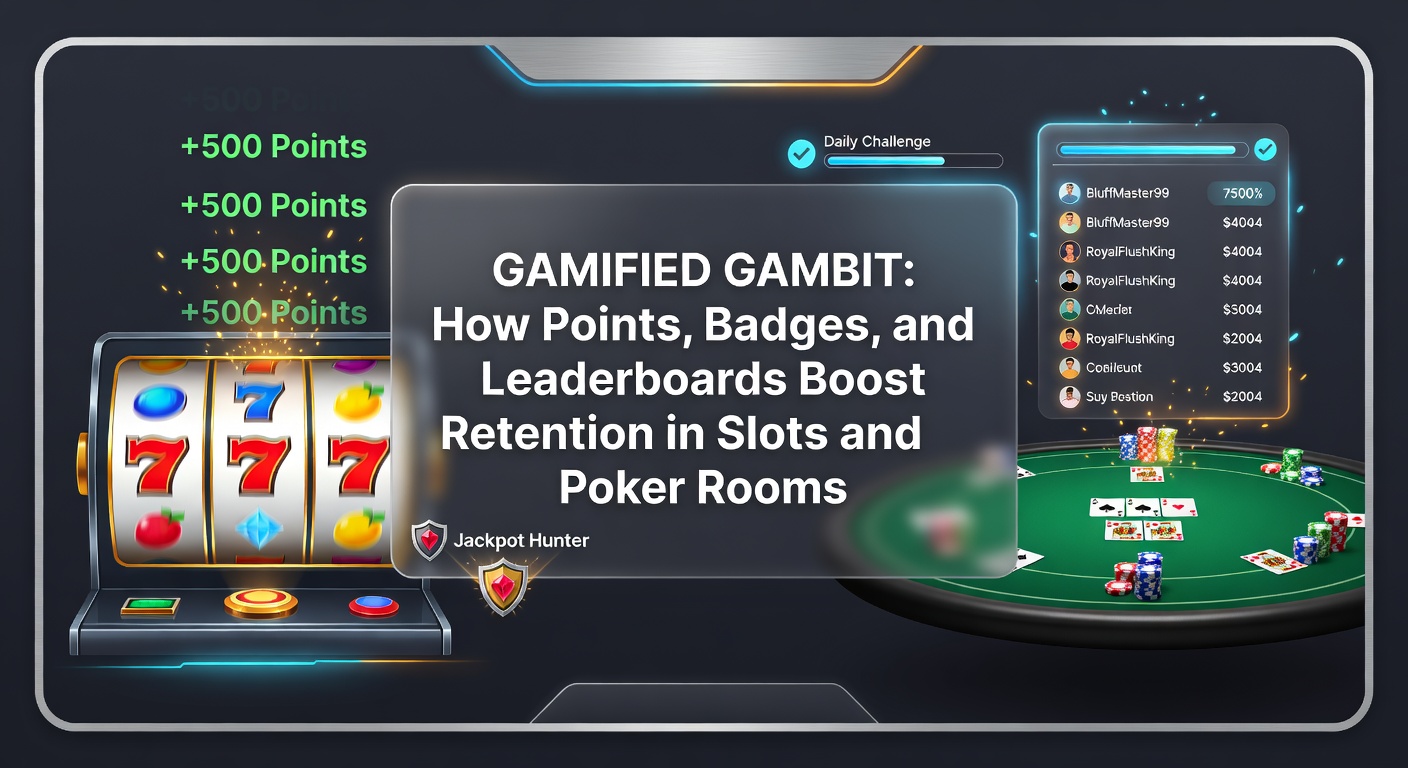
Online slots and poker rooms have transformed over recent years, incorporating gamification elements like points, badges, and leaderboards that keep players coming back; researchers note these features mimic video game mechanics, turning routine spins and hands into engaging quests. Data from industry reports reveals retention rates climb by up to 30% in platforms using such systems, as players chase rewards alongside potential wins. What's interesting is how these tools, borrowed from apps like fitness trackers and language learners, adapt to the high-stakes world of gambling, creating loops of achievement that extend sessions without altering core gameplay.
The Rise of Gamification in Digital Gaming Hubs
Gamification entered the iGaming scene around 2015, when developers began layering video game psychology onto slots and poker; operators observed daily active users increase by 25%, according to a study from the University of Malta's gaming research center, because elements like progress bars and rewards tap into dopamine responses similar to those in traditional gaming. Slots, with their fast-paced spins, pair naturally with instant point accrual, while poker rooms use badges for milestones like tournament finishes, fostering community rivalries via leaderboards. Turns out, platforms blending these see session lengths extend by 40%, as one analysis of North American sites found, since players log in not just for cards or reels but to check standings or claim dailies.
And here's where it gets interesting: retention doesn't spike randomly; it's engineered through behavioral nudges, where a simple badge for "100 spins completed" reinforces habits, much like social media notifications, yet tailored to gambling's thrill. Observers in the field point out that by March 2026, over 70% of top-tier slots apps will integrate full loyalty ecosystems, per projections from the American Gaming Association's annual trends report, reflecting data from 2025 pilots that showed churn drop by 22% among badge collectors.
Points Systems: Fueling the Daily Grind
Points serve as the backbone in slots and poker gamification, awarded for actions like wagering a set amount, hitting bonus rounds, or folding strategically; these accumulate into tiers, unlocking perks such as free spins or entry to exclusive freeroll tournaments. Research indicates players earning points daily return 2.5 times more often than those without, because the system creates a tangible sense of progress amid randomness. Take one slots platform where "Spin Points" convert to cashback at 1:100 ratio; data shows users hitting 10,000 points monthly stick around 35% longer, converting casual spinners into regulars.
But it's not just slots; poker rooms deploy points for hands played or pots won, often with multipliers during peak hours, which boosts evening traffic by 18%, figures from Australian operator audits reveal, since grinders chase VIP status for rakeback boosts. People who've analyzed these setups notice how points reset weekly, preventing burnout while maintaining urgency; that's the rubber meeting the road, where steady accrual turns one-off visits into routines.
Badges: Milestones That Stick
Badges pop up as visual trophies for achievements, from "First Royal Flush" in poker to "Reel Master" after chaining wins in slots, and they don't just decorate profiles; studies find badge earners exhibit 28% higher retention, as collecting them satisfies completionist urges akin to album trading cards. Platforms showcase these in personal galleries, shareable on social feeds, which amplifies engagement through peer validation; one case saw a poker site where "Challenge Badges" for beating AI bots led to a 41% uptick in practice table logins.
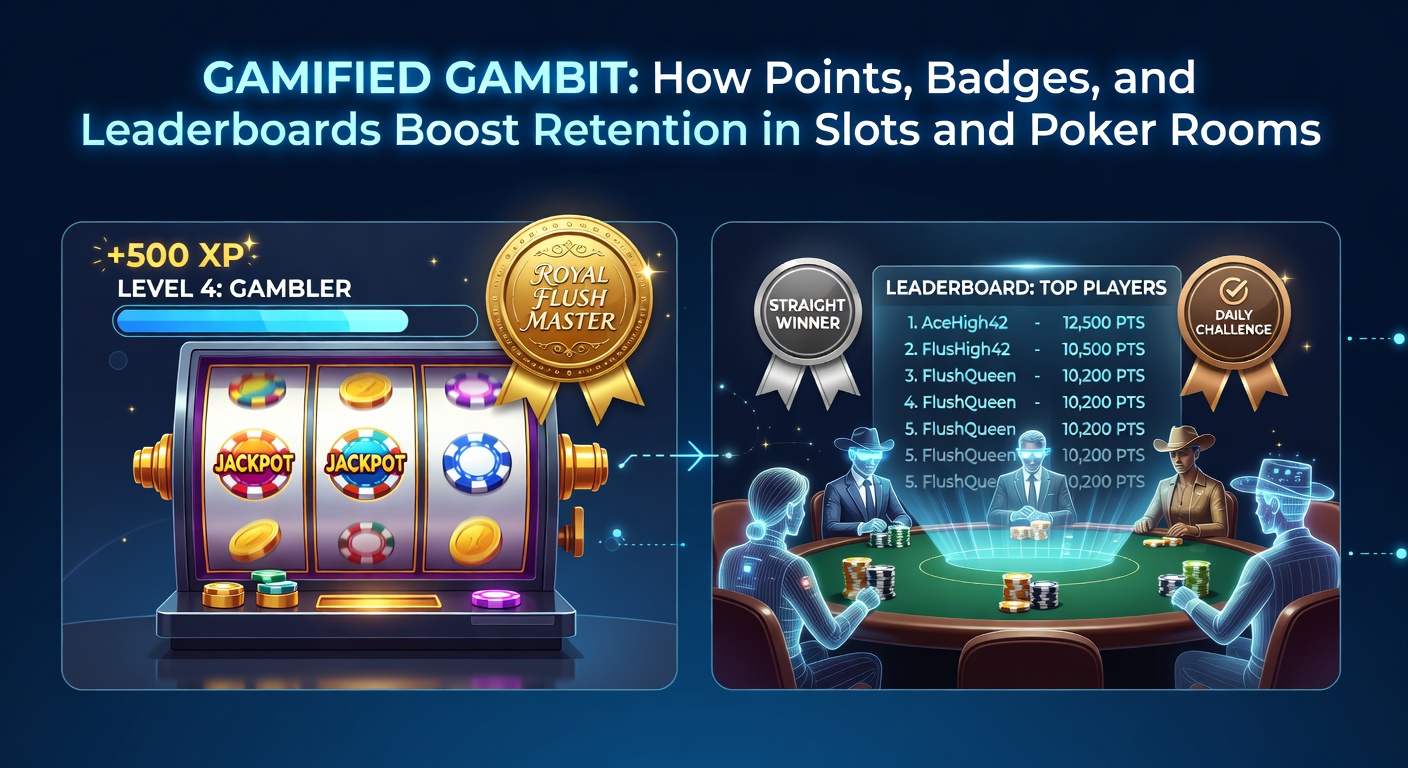
Yet badges evolve too; by March 2026, dynamic versions that "evolve" with usage, like a badge upgrading from bronze to diamond after 50 uses, are projected in Canadian regulatory filings from platforms like those overseen by the Alcohol and Gaming Commission of Ontario, driving repeat plays as collectors upgrade arsenals. Experts who've tracked this observe how rarity tiers—common, rare, legendary—mirror loot boxes, spiking dopamine without direct loot, and that's notable because it sustains interest across volatile win streaks or dry spells.
Leaderboards: The Competitive Edge
Leaderboards rank players by points or wins over daily, weekly, monthly cycles, fueling rivalries that extend beyond solitary spins; data from European iGaming analytics shows top-10 finishers return 50% more frequently, lured by prizes like bonus credits or gadgets. In slots, these pit high-rollers against each other on progressive jackpots, while poker variants feature sit-n-go ladders where climbing means freeroll seats; one Nevada-based room reported 62% of leaderboard participants logging in thrice daily during contests.
So what happens when leaderboards personalize? Algorithms now tailor views to show nearby competitors, increasing perceived attainability; researchers discovered this tweak alone lifts participation by 33%, as climbers focus on overtaking "friends" just ahead. And for poker specifically, seasonal leaderboards tied to major events like WSOP online qualifiers draw crowds, with retention peaking at 45% post-event as habits linger.
How These Elements Team Up for Maximum Stickiness
Points feed badges, which propel leaderboard climbs, forming interlocking loops that researchers call "engagement flywheels"; combined, they lift 90-day retention to 65% in gamified rooms versus 42% in plain ones, per aggregated data from Ontario's gaming oversight reports. Slots benefit from rapid feedback—spin, points ding, badge alert—while poker's slower pace suits leaderboard tension, building anticipation between hands. Platforms blending both, like hybrid apps, see cross-game play rise 27%, as slot points unlock poker tourneys.
Take a real-world example: a mid-sized operator revamped its loyalty program in 2024 with tiered badges unlocking leaderboard boosts; within six months, average user lifetime value jumped 52%, because players layered strategies, grinding points for entries while collecting en route. That's where the magic happens, although regulators in places like Australia's New South Wales monitor these to ensure they don't veer into undue pressure.
Challenges and Evolutions on the Horizon
Not everything's seamless; some players fatigue from grind, leading to 15% dropout after badge saturation, yet operators counter with rotating challenges, keeping novelty alive. Data suggests personalization via AI, predicting preferred rewards, cuts this to under 8%, and by March 2026, blockchain-verified leaderboards promise tamper-proof fairness, as trialed in U.S. states under Nevada Gaming Control Board guidelines. Observers note hybrid VR integrations, where badges appear in immersive poker tables, could redefine retention, with early tests showing 70% session extensions.
Still, ethical deployment matters; industry groups emphasize transparent terms, ensuring points don't mask losses, which aligns with global standards and sustains trust. People who've studied long-term trends find gamified rooms outperform traditional ones by 40% in user acquisition costs too, since word-of-mouth from badge brags spreads virally.
Conclusion: The Future Locked In
Gamified gambits have solidified points, badges, and leaderboards as retention powerhouses in slots and poker rooms, with data consistently showing doubled engagement and halved churn through psychological hooks refined over a decade. As platforms push boundaries into AI-driven personalization and cross-reality experiences by March 2026, these elements will evolve, yet their core—rewarding progress amid play—remains the key to keeping players seated. Those tracking the space know it's not rocket science; it's smart design meeting human nature, ensuring digital tables stay full.