1 Jun 2026
Echoes of Chance: How Historical Gambling Superstitions Persist in Contemporary Online Slot Designs
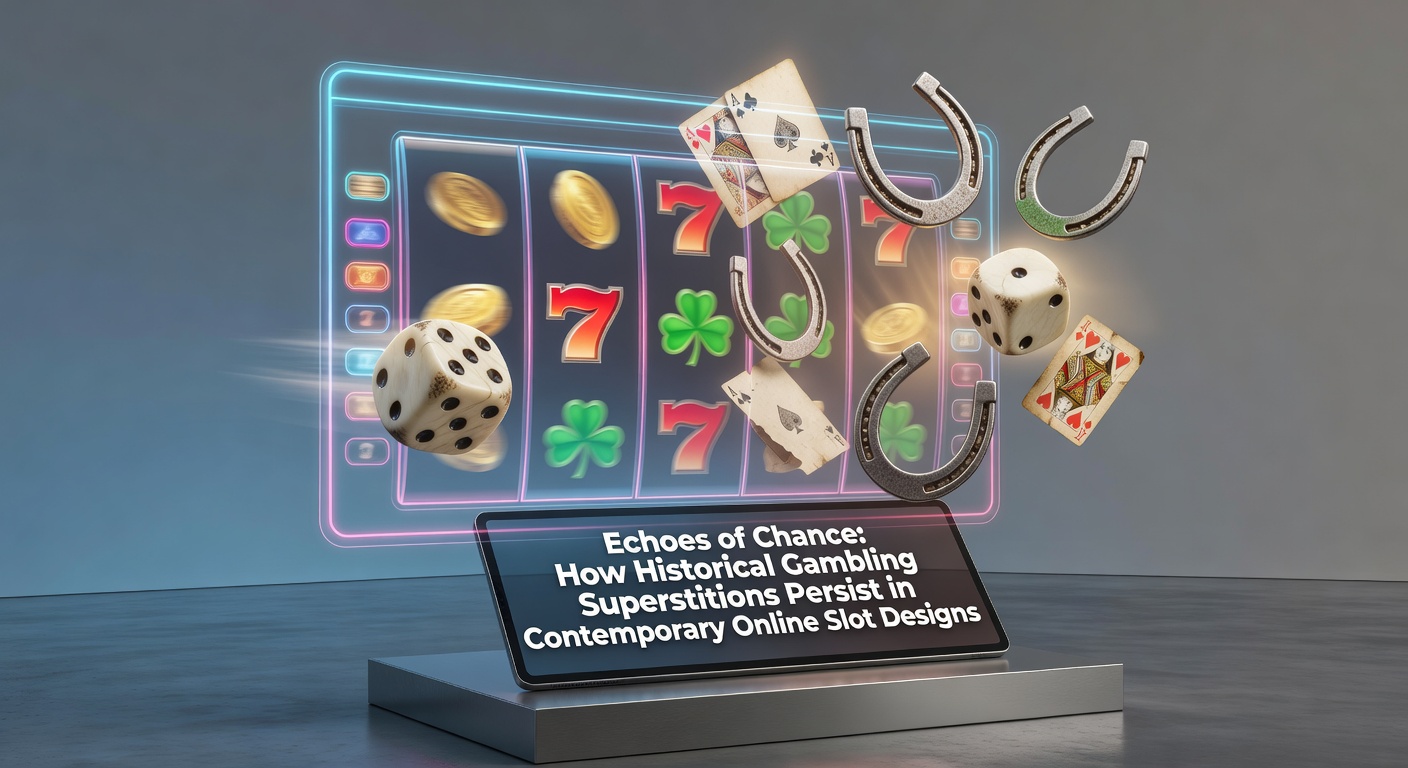 People have carried specific beliefs about luck through gambling activities for centuries, and those patterns show up in how developers structure online slot games today. Ancient practices involving charms, numbers, and colors translated into visual and mechanical features that players encounter on digital reels, even as technology advanced through the 2020s. Researchers tracing gambling history note that symbols such as horseshoes, four-leaf clovers, and the number seven originated in pre-industrial societies where individuals sought ways to influence random events. Slot designers incorporate these exact icons because data from player interaction logs indicate higher engagement rates when familiar motifs appear on paylines. In June 2026, several platforms introduced themed releases timed with historical anniversaries of early casino openings, which further embedded these elements into new releases.
Origins of Common Symbols in Gambling
European folklore associated horseshoes with protection against misfortune, a notion that carried into 19th-century American saloons where physical slot machines first displayed the image on their cabinets. Modern iterations place horseshoes in bonus rounds or as scatter triggers, maintaining the visual link without altering core random number generator functions. Observers note similar continuity with the color red, which Chinese traditions linked to prosperity and which appears frequently as a background or multiplier hue in games popular across Asian markets.
Studies from the University of Nevada Las Vegas document how dice imagery migrated from ancient Roman games of chance into contemporary slots, often triggering free spin sequences when three or more appear. These design choices reflect documented patterns rather than coincidence, since operators review retention metrics before finalizing asset libraries.
Number-Based Superstitions in Reel Mechanics
The number seven holds particular weight because multiple cultures treated it as auspicious long before mechanical slots existed. Developers position 7s as high-value symbols that complete winning combinations at elevated rates compared with other numerals, a placement strategy supported by aggregated session data. Meanwhile, the avoidance of the number 13 appears in some Western-themed titles where developers skip that value on paytables or replace it with alternative icons to align with player comfort levels observed in testing groups.
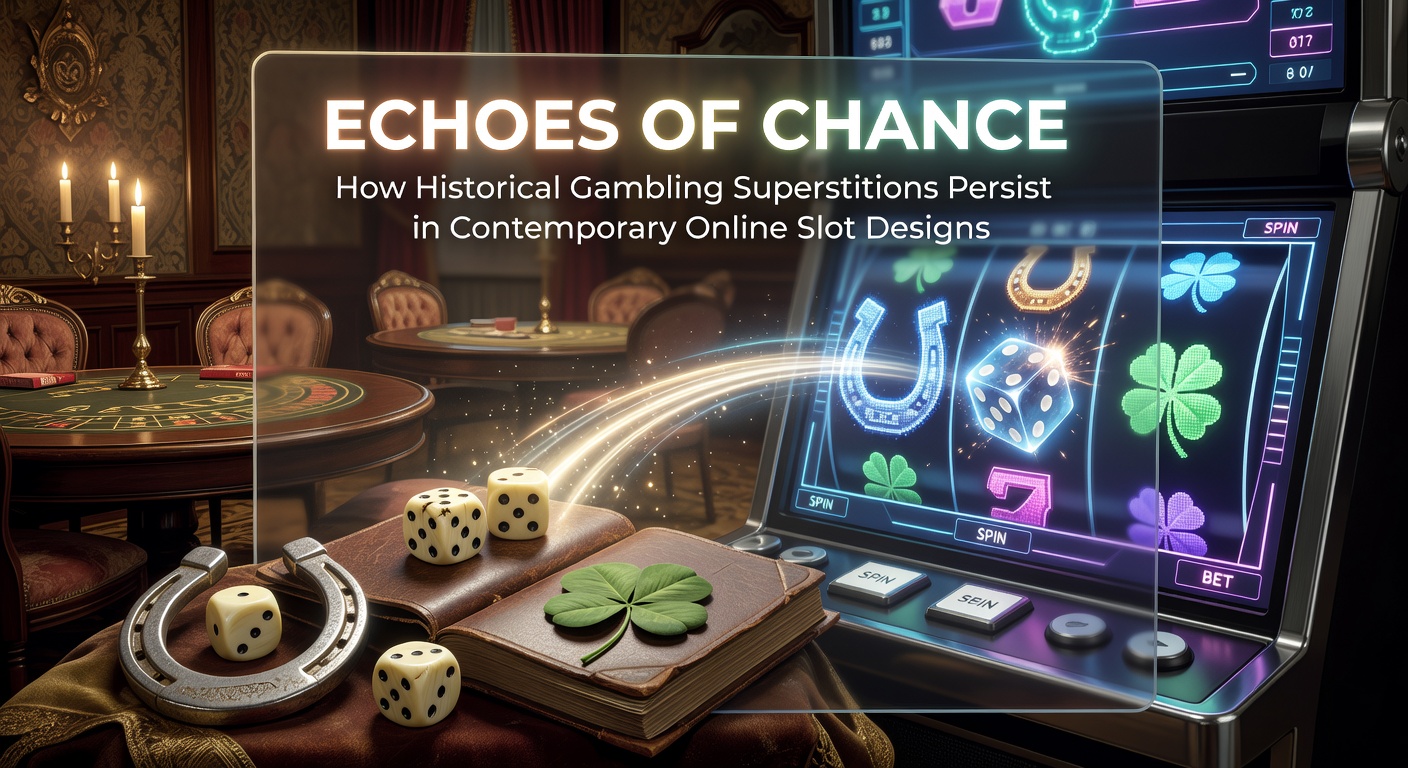
Canadian regulatory filings from provincial gaming authorities show that titles emphasizing culturally resonant numbers maintain longer average play durations across user demographics. This pattern holds whether the game uses classic three-reel formats or expanded grid systems with cascading mechanics.
Regional Variations and Global Design Choices
Australian gambling research published through academic channels highlights how indigenous motifs sometimes merge with imported lucky symbols in locally licensed slots, creating hybrid visuals that resonate with domestic audiences. European operators, operating under frameworks established by the Malta Gaming Authority, tend to favor Mediterranean symbols such as the cornicello horn alongside more universal icons like rabbits' feet. These regional adaptations demonstrate how superstition elements scale across jurisdictions while core probability structures remain consistent.
One documented example involves a 2024 title that replaced standard fruit symbols with regional charms drawn from South American traditions, resulting in measurable upticks in new account registrations from targeted territories. Industry reports indicate such localization efforts continue as markets expand.
Psychological Continuity in Digital Formats
Although random number generators determine outcomes independently of visual presentation, the presence of historically lucky elements influences how players interpret sequences during sessions. Data from behavioral tracking studies conducted by research institutions in multiple countries reveal that users pause longer on screens featuring clover or horseshoe animations, even when payout percentages stay fixed. This response aligns with longstanding cognitive patterns rather than any alteration in game mathematics.
Design teams therefore retain these features because they connect new users to established cultural references, sustaining interest across successive generations of hardware and software updates.
Conclusion
Historical gambling superstitions continue to shape online slot designs through deliberate symbol selection, color palettes, and numerical arrangements that echo earlier practices. Operators and developers draw on documented cultural associations when building new content, and player data supports the ongoing relevance of these choices across different regions and regulatory environments. The result is a persistent visual language that links contemporary digital entertainment to centuries-old beliefs about chance and fortune.