5 Aug 2026
Decoding the Algorithmic Foundations of Loyalty Programs in Multi-Game Digital Entertainment Platforms
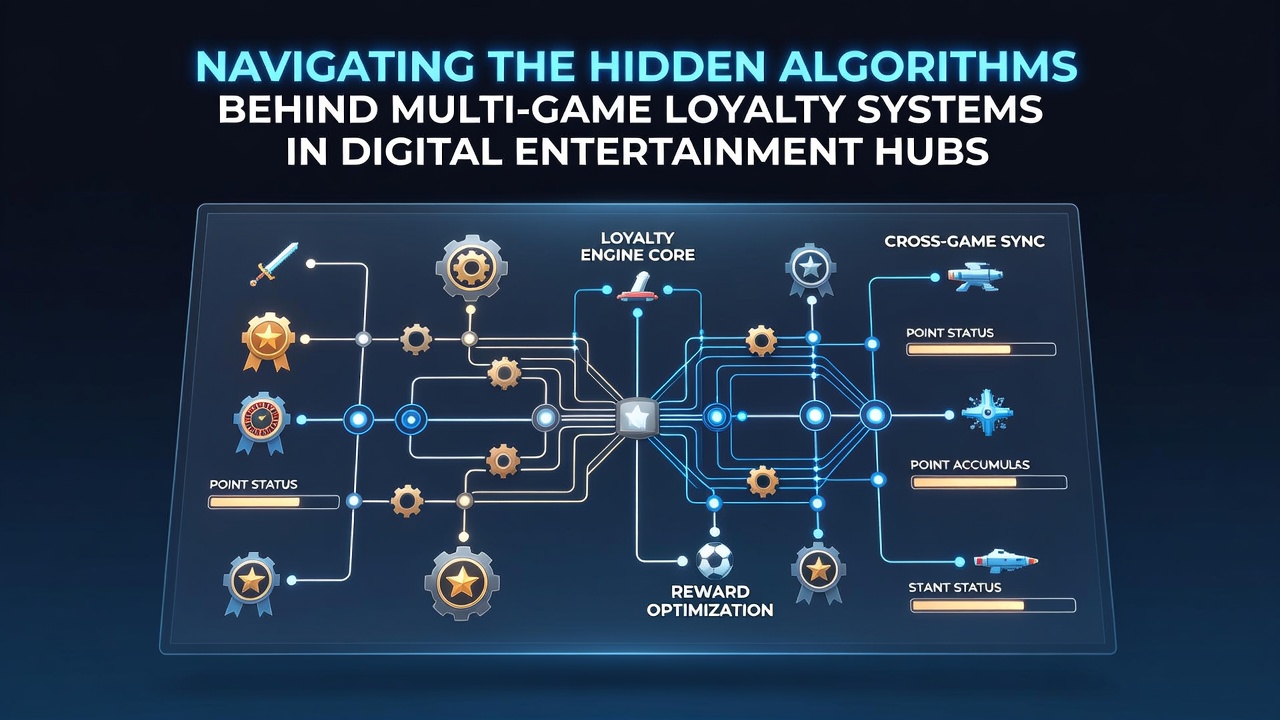
Multi-game loyalty systems in digital entertainment hubs operate through layered algorithms that track player activity across slots, table games, and live dealer environments while assigning points, tiers, and personalized offers based on behavioral data. These systems collect metrics such as session duration, wager size, game type frequency, and deposit patterns, then feed the information into machine learning models that predict retention likelihood and determine reward allocation.
Data Collection and Segmentation Layers
Platforms aggregate raw gameplay data from multiple verticals into centralized databases where algorithms first segment users into cohorts according to recency, frequency, and monetary value calculations. Researchers at academic institutions have documented how clustering techniques group players by shared traits, allowing subsequent models to apply different incentive structures to each segment. Real-time processing engines update these segments continuously, so a player who shifts from low-stakes slots to higher-volume table games can move cohorts within a single session.
Additional variables such as device type, time-of-day preferences, and bonus redemption history enter the models through feature engineering steps that refine prediction accuracy. Industry reports from organizations like the Gaming Standards Association indicate that platforms using at least twelve behavioral features achieve measurably higher retention rates than those relying on fewer inputs.
Predictive Modeling and Reward Optimization
Once segmentation occurs, predictive models estimate the future lifetime value of each account and calculate the cost-benefit ratio of various reward types. Algorithms compare historical outcomes of free spins, cashback percentages, and tier upgrades against observed player responses, then select the combination projected to generate the highest return. In August 2026 several platforms adjusted weighting factors inside these models after new data-privacy rules in multiple jurisdictions limited the use of certain cross-game identifiers.
Optimization routines run nightly batch processes that rebalance offer libraries for the coming period, while lighter online versions adjust live promotions during peak hours. Observers note that these dual-layer systems allow platforms to maintain consistent player expenditure levels without manual intervention from marketing teams.
Regulatory Influences on Algorithm Design
Regulatory bodies outside the United Kingdom have issued guidance that directly shapes how loyalty algorithms handle transparency and fairness. The Nevada Gaming Control Board requires operators to maintain auditable logs of point-calculation rules, while the Alcohol and Gaming Commission of Ontario mandates periodic third-party reviews of segmentation logic to prevent discriminatory outcomes. Compliance teams translate these requirements into constraints that algorithms must satisfy before any reward is issued.
European research centers have published studies examining whether dynamic pricing elements within loyalty engines create unintended disparities among demographic groups. Platforms respond by adding fairness constraints to their objective functions, ensuring that reward distribution stays within defined statistical bounds even when predictive accuracy slightly decreases.
Integration Across Multiple Game Types
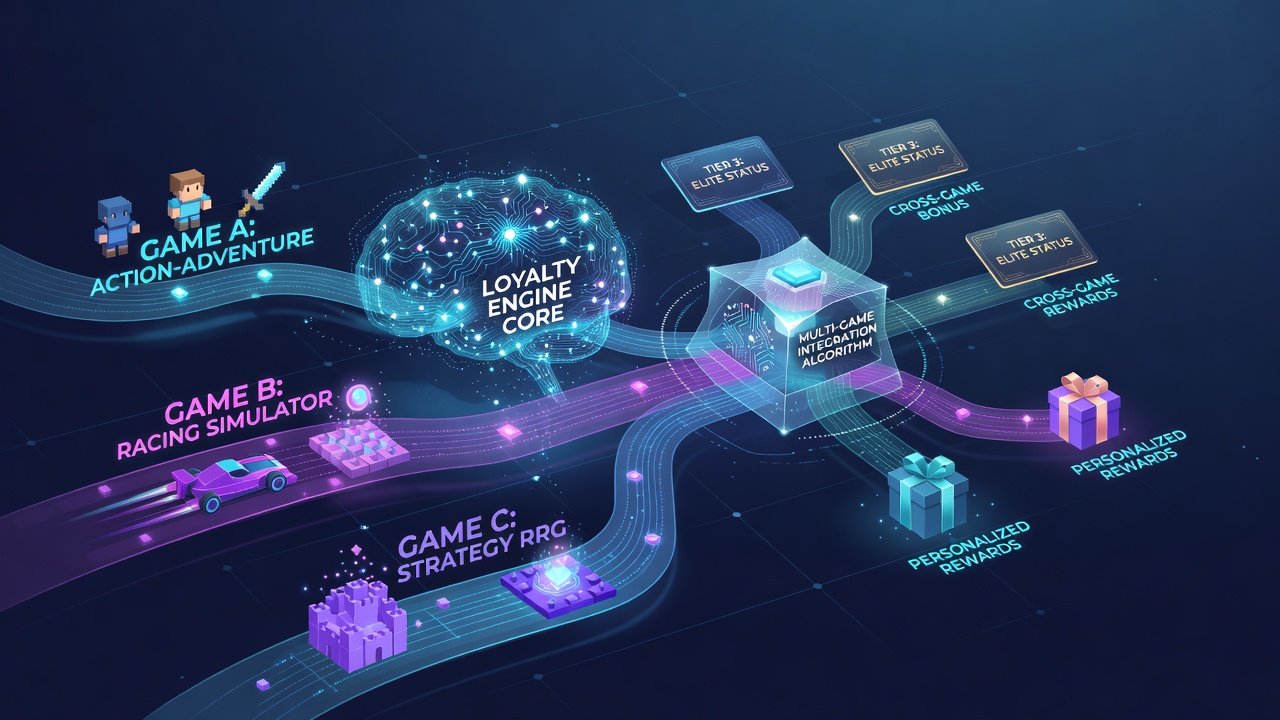
Multi-game hubs face the technical challenge of normalizing activity from disparate game engines into a single loyalty currency. Algorithms apply conversion coefficients that account for house edge differences, volatility profiles, and average session lengths so that a player earns comparable progress whether spinning reels or playing blackjack. These coefficients undergo quarterly recalibration based on aggregated performance data submitted by each game provider.
Cross-game events such as leaderboard competitions or milestone challenges pull data from all verticals simultaneously, triggering bonus rounds only when the combined algorithm confirms that all eligibility criteria have been met. System architects design these triggers to minimize server load while preserving the appearance of instant recognition for the player.
Conclusion
Loyalty algorithms in multi-game digital entertainment platforms continue to evolve through iterative refinement of data pipelines, segmentation models, and regulatory compliance modules. As new jurisdictions introduce data-handling standards and academic studies supply additional performance benchmarks, platform operators adjust the underlying mathematics that govern reward delivery. The result remains a continuously operating framework that translates player behavior into structured incentives across every game type offered within a single hub.