18 May 2026
Auditory Influences on Decision-Making Processes in Interactive Betting Environments
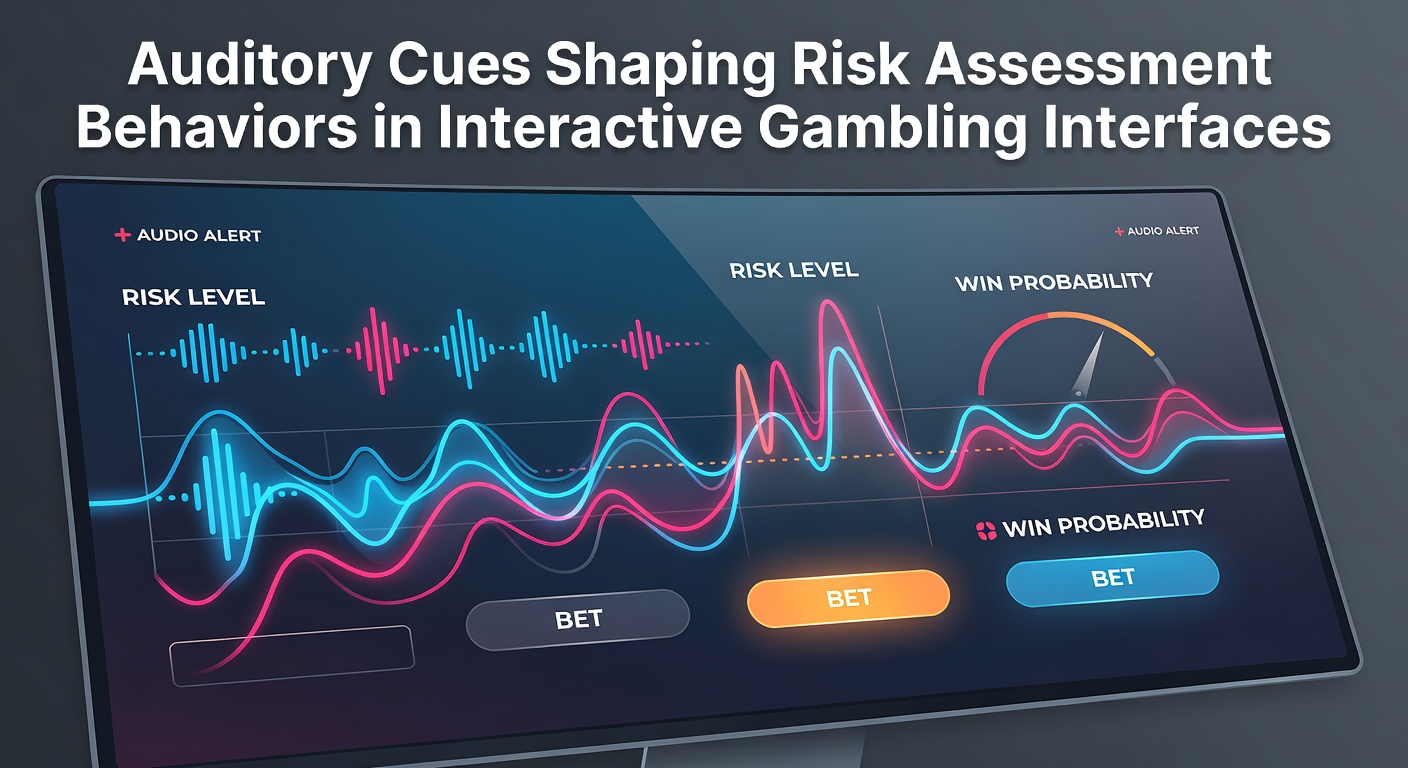
Digital gambling platforms incorporate layered audio elements that range from subtle background tracks to sharp win chimes, and these sounds interact with user interfaces in ways that researchers continue to examine closely. Players encounter sequences where near-miss tones heighten tension while celebratory jingles reinforce successful spins, creating feedback loops that shape how individuals weigh potential losses against possible gains. Data collected across multiple platforms show that sound design often operates alongside visual animations, forming multisensory experiences that guide attention during rapid decision cycles.
Core Components of Audio Feedback Systems
Interface developers program specific audio triggers for events such as reel stops, bonus activations, and balance changes, with each cue calibrated to particular frequencies and volumes. Studies indicate that ascending pitch patterns frequently accompany increasing bet sizes, whereas descending tones align with reduced stakes or session pauses. These mappings allow systems to deliver consistent signals that players learn to interpret quickly, often without conscious reflection on the underlying mechanics.
Research teams at institutions across North America and Europe have mapped how different sound categories affect response times during simulated betting tasks. Observers note that high-frequency alerts tend to accelerate selections, while lower-frequency drones can extend deliberation periods before a wager is placed. Such patterns emerge consistently in controlled trials where participants navigate identical visual layouts under varying audio conditions.
Evidence from Controlled Investigations
Findings published through academic channels reveal measurable shifts in risk tolerance when auditory layers are modified. One investigation tracked eye movements and click patterns, demonstrating that participants exposed to escalating win sounds placed higher-stakes bets more frequently than those hearing neutral or muted tracks. The same dataset highlighted reduced hesitation intervals when celebratory audio coincided with near-miss outcomes, suggesting audio reinforcement can compress evaluation windows.
Additional work from Australian research groups has examined long-term exposure effects, with figures indicating that regular users develop stronger associations between specific tones and expected reward magnitudes. These associations appear to influence subsequent choices even when visual probability indicators remain unchanged. Regulatory bodies in Canada have referenced similar observations when reviewing design standards for responsible gaming features.
Integration with Broader Interface Elements
Audio cues rarely function in isolation; instead they synchronize with haptic feedback on mobile devices and dynamic lighting changes on desktop displays. When a near-miss sound plays alongside a brief screen shake, players often register heightened engagement levels according to physiological monitoring data. This coordination creates compound stimuli that can override slower analytical processes, directing focus toward immediate action opportunities.

Platform analytics further illustrate how session length correlates with audio intensity settings. Reports compiled by industry monitoring services show extended play durations in environments featuring continuous low-volume ambient tracks punctuated by intermittent reward signals. Those same reports note that abrupt silence following a loss sequence sometimes prompts quicker re-engagement compared with sustained somber music.
Regulatory and Design Considerations Emerging in 2026
During a May 2026 symposium organized by international gaming research networks, presenters shared updated models linking audio parameters to behavioral metrics across multiple jurisdictions. Discussions centered on potential guidelines for limiting certain frequency ranges during high-stakes sequences, drawing from preliminary data gathered in pilot programs. Attendees reviewed case examples where platforms adjusted sound profiles and subsequently recorded shifts in average bet sizes per session.
Industry organizations such as the American Gaming Association have begun publishing voluntary frameworks that encourage transparent disclosure of audio design choices. These frameworks reference ongoing collaborations with university laboratories studying auditory processing in decision contexts. Parallel efforts in European markets emphasize testing protocols that isolate sound variables while holding other interface factors constant.
Future Directions in Audio Research
Emerging tools now allow real-time adaptation of audio cues based on individual player telemetry, raising questions about personalization thresholds. Data indicates that customized soundscapes can amplify or dampen risk assessment tendencies depending on baseline player profiles. Teams continue to explore machine learning approaches that predict optimal audio adjustments while maintaining compliance with regional standards.
Cross-disciplinary studies combining acoustics, psychology, and computer science continue to refine understanding of these interactions. Results consistently point toward the value of balanced audio design that supports informed choices rather than accelerating habitual responses. Observers expect further refinement as platforms incorporate more granular user controls over sensory elements.
Conclusion
Audio elements within interactive gambling interfaces represent a significant factor in how users process risk information during play sessions. Research compiled from varied geographic sources demonstrates consistent patterns linking specific sound characteristics to measurable changes in decision timing and stake selection. As platforms evolve, continued examination of these auditory mechanisms will inform both design practices and oversight approaches across different regulatory environments.