24 Jun 2026
Audio Engineering's Role in Creating Immersive Experiences Within Digital Slot Machines and Virtual Table Games
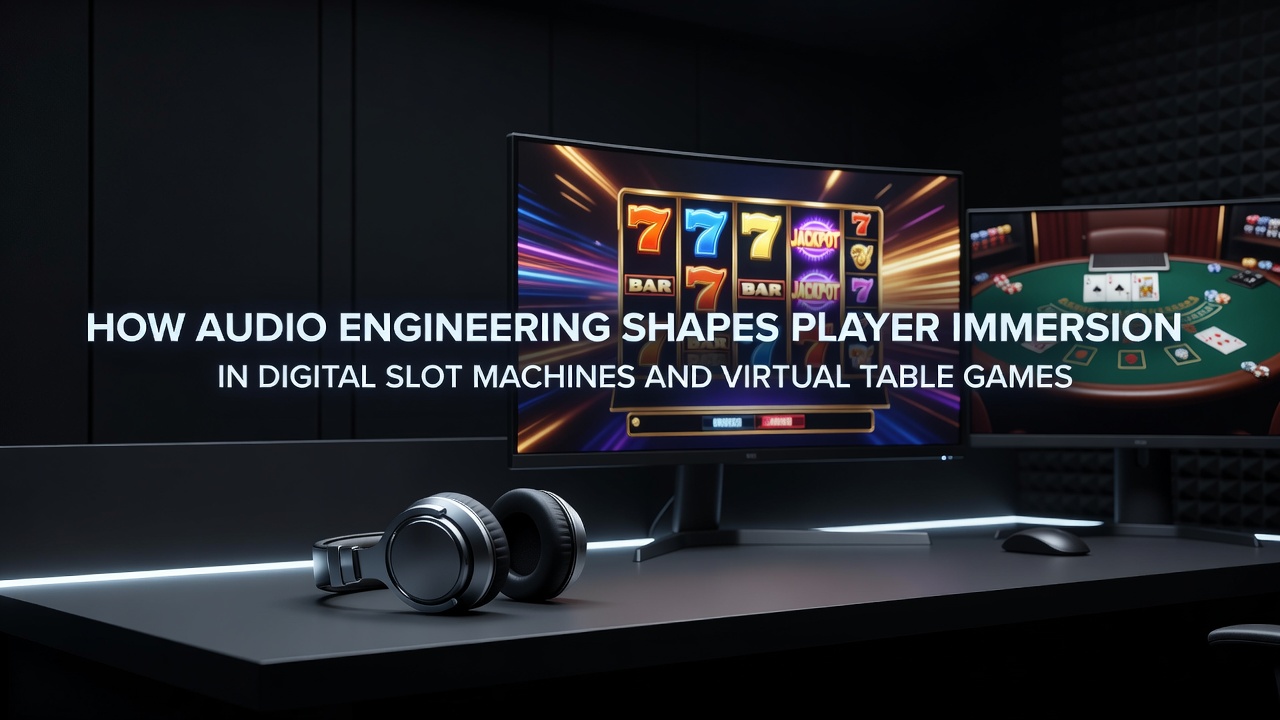
Audio engineering forms a core component of modern digital gambling platforms, where sound designers layer effects, ambient tracks, and dynamic cues to align with visual mechanics and player actions, and this integration has grown more sophisticated as software capabilities expanded through 2025 and into June 2026.
Developers rely on precise frequency ranges and spatial audio techniques to simulate physical environments, such as the clatter of chips on felt or the cascade of symbols aligning on reels, while regulatory standards in various jurisdictions require these elements to remain consistent with certified random number generators without influencing outcomes.
Core Techniques in Slot Machine Sound Design
Engineers build slot audio around short, repeatable motifs that trigger at specific reel stops and bonus activations, adn they modulate volume, pitch, and reverb based on bet size or win magnitude to maintain auditory variety across thousands of spins, whereas early digital slots used basic MIDI tones before transitioning to sampled recordings from real mechanical machines.
Data from industry reports shows that multi-layered tracks, including background music that shifts intensity during free spin sequences, help sustain attention spans during extended sessions, and companies often collaborate with composers to create original scores that avoid copyright issues while matching thematic elements like ancient civilizations or futuristic worlds.
Adaptive audio systems now detect player patterns through session data and adjust cue timing accordingly, although these adjustments stay within strict parameters set by testing laboratories to ensure fairness across all regions.
Audio Layers in Virtual Table Games
Virtual blackjack and roulette tables incorporate continuous ambient sounds such as crowd murmurs and card shuffles that respond to dealer animations, and these elements create a sense of shared space even in single-player modes, while directional audio panning follows camera angles when players switch between first-person and overhead views.
Engineers synchronize chip placement clicks and roulette wheel spins with visual timing down to millisecond precision, which reduces perceived latency and supports the illusion of real-time physics, and similar approaches appear in poker variants where community card reveals trigger distinct tonal shifts based on hand strength indicators that remain invisible to opponents.
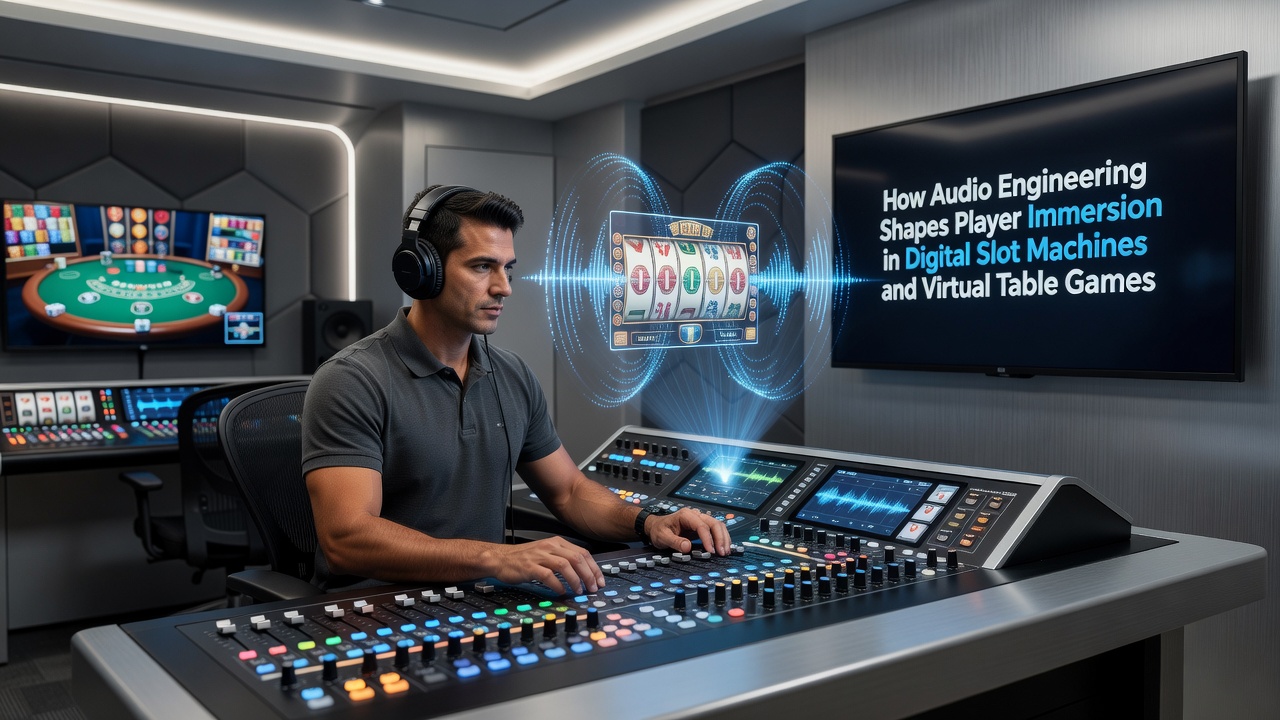
Research from academic institutions, including work published through the University of Las Vegas gaming studies program, indicates that consistent audio feedback correlates with longer average session durations across both slots and table formats, and developers continue to refine these systems using player telemetry collected under anonymized protocols.
Technological Evolution Through Mid-2026
By June 2026 several major platforms had integrated binaural rendering for headphone users, allowing sounds to appear positioned around the listener rather than emanating from a flat speaker source, and this advancement built on earlier stereo panning methods that first appeared in mobile-optimized titles around 2022.
Hardware acceleration now permits real-time convolution reverb that mimics specific casino acoustics from historic venues, yet these features require users to grant audio permissions and remain optional in most regulatory frameworks outside the United States and Australia.
Industry associations such as the American Gaming Association have documented rising adoption rates of spatial audio across North American operators, while European providers focus more on compression techniques that preserve quality over variable network connections.
Integration With Visual and Haptic Elements
Sound design rarely operates in isolation, and teams coordinate audio triggers with particle effects and controller vibrations so that a jackpot animation includes both rising musical swells and synchronized rumble patterns on supported devices, whereas mismatched timing can break immersion according to usability tests conducted by independent labs.
Engineers employ middleware tools that allow designers to attach audio events directly to animation timelines, which streamlines updates when new themes launch and reduces the chance of desync issues that plagued earlier generations of online casino software.
Conclusion
Audio engineering continues to evolve alongside rendering engines and player interface standards, with current implementations focusing on personalization options that respect regional accessibility guidelines while maintaining core consistency across slot machines and virtual table environments.